From Grandeur to Gimmicks: How History Documentaries Lost Their Soul
In 1960, Sir Mortimer Wheeler stood before the Roman Forum and pioneered the history documentary in three captivating episodes. Speaking directly to us amid the ruins, he brought the ancient world alive. Kenneth Clark followed with quiet, unapologetic wonder. But today's versions? Snippets, gimmicks, and lectures. History documentaries have lost their soul.
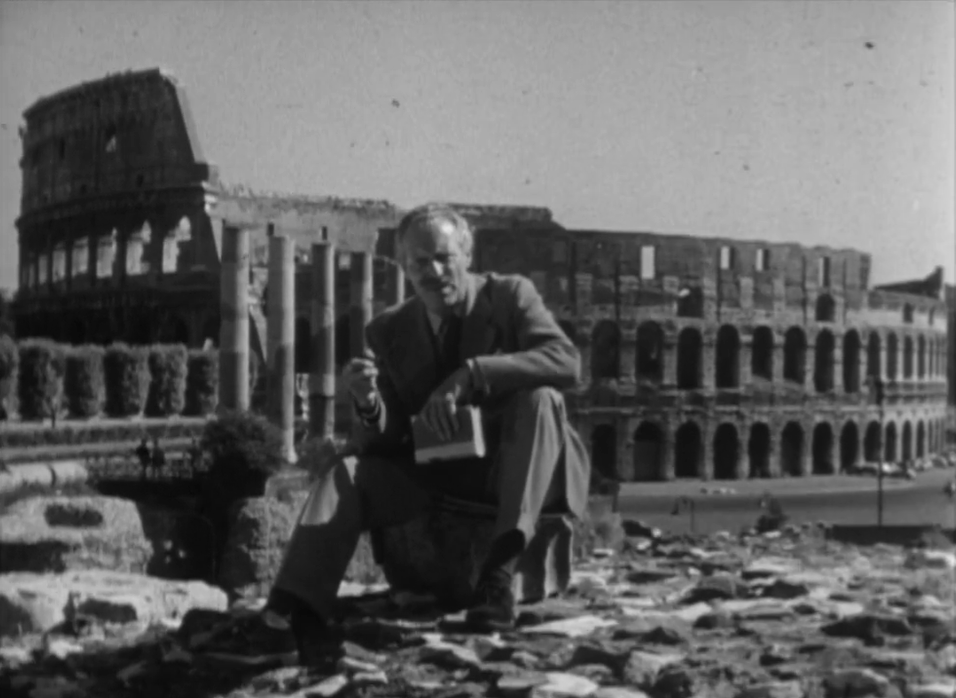
Wheeler's Grandeur
In 1960, a grey-haired gentleman stood in front of the Forum in Rome. He was dressed in a tweed suit, brandishing a pipe, and possessed a moustache for the ages. He turned to the camera, took a breath, and introduced the British public to the Grandeur that was Rome. In three episodes, he had created a new genre, the history documentary. While a few others, especially Glyn Daniel, had tried to bring archaeology to the masses, it was Sir Mortimer Wheeler and The Grandeur that was Rome which created the blueprint for future historical programming.
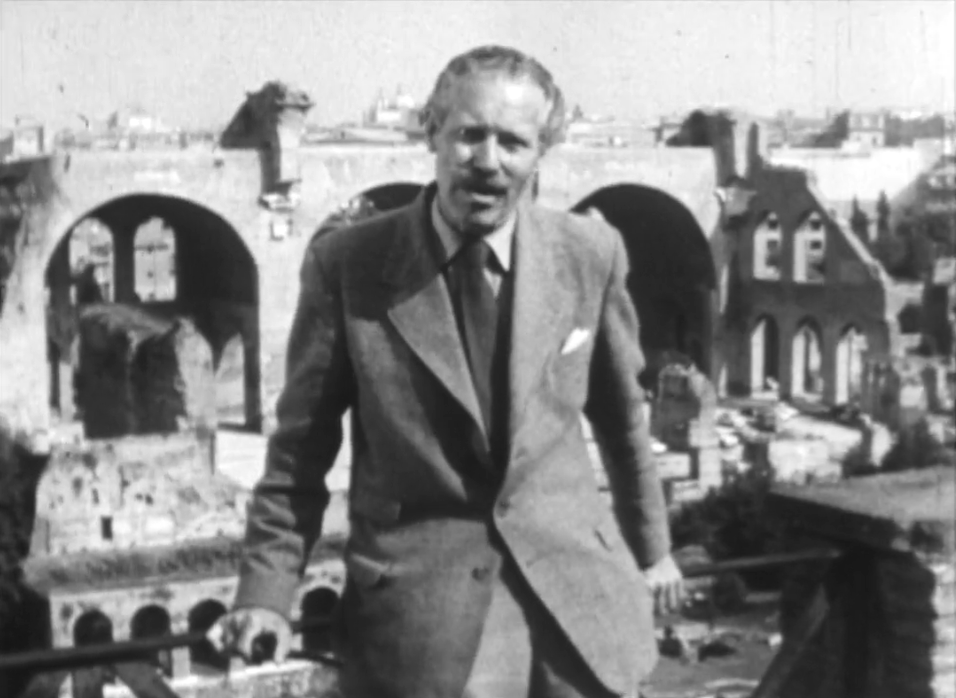
He didn’t do anything that he hadn’t done before; he merely brought a camera this time. He wandered around Europe, visiting the wonders that the Romans left behind, from his native Scotland to the African desert frontiers. He brought us, the public, along for the journey. He spoke firmly and warmly about the religion, culture, and structure of the Roman Empire. He showed us the many cities, ruins, and landscapes which once comprised this once great Empire, the whole time, speaking straight to us, as if we were in the room. This personal touch has now departed programming.
Clark's Personal View
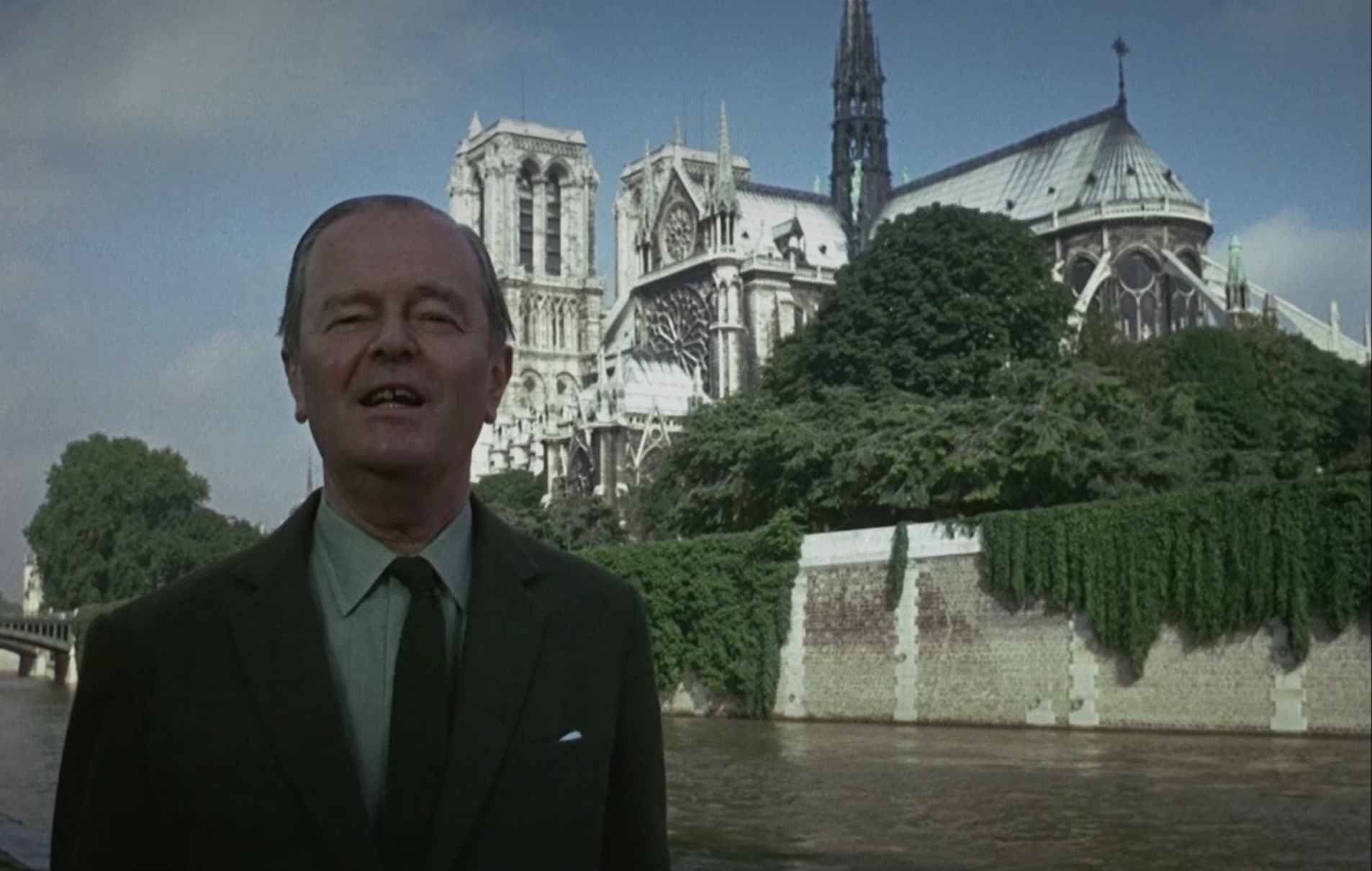
In 1969, another renowned academic walked onto our screens. This time, in glorious colour. He stood in front of the cathedral at Notre-Dame and asked a simple, yet now legendary, question:
“What is civilization? I don’t know, it's not something I can describe in abstract terms… Yet. But I believe I know it when I see it and I’m looking at it now”
This was Lord Kenneth Clark presenting what I would now call his magnum opus: Civilisation: A Personal View. Over the course of 13 episodes, he takes us from the edge of disaster after the fall of the Western Roman Empire to the modern day, cataloguing the great feats of art and architecture produced by Western civilisation.
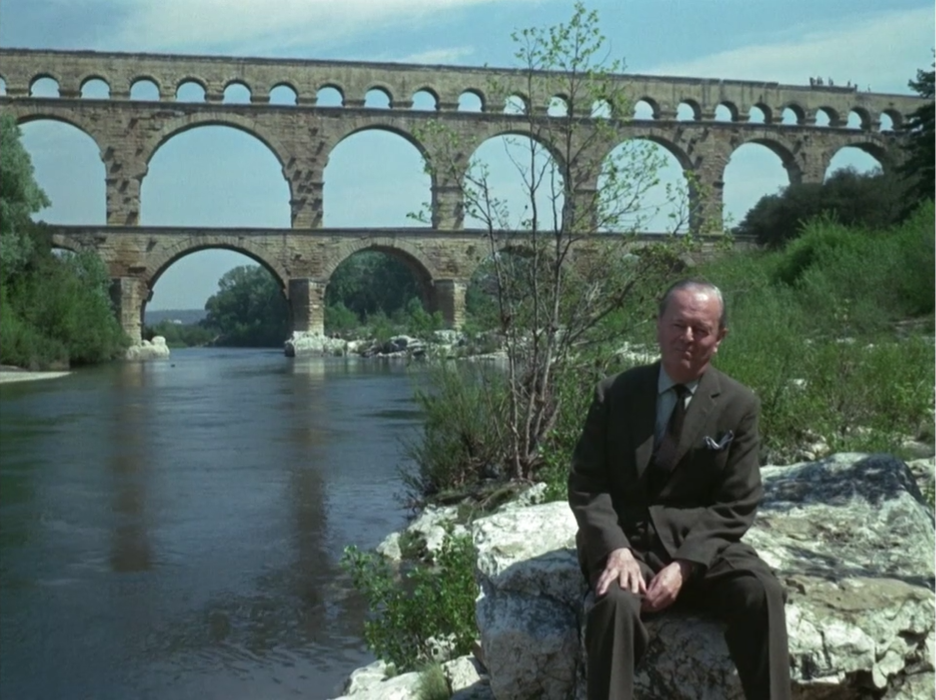
It was unapologetic in its praise for the great achievements of western man. His wonder and excitement flowed through the screens, at a time when the west was facing destruction in the cold war, and his native Britain, once the largest empire in history, was facing a post imperial identity crisis. He navigates the subject matter eloquently and quietly, mostly off the cuff, and the result? One of the most important documentaries Britain has ever aired. Its greatest achievement? It is more relevant now than when it was made.
The Modern Fall
Civilisation lived on in ways few would have predicted. It got sequels. This is one of the major sins of modern documentary making: it doesn’t understand the message of the original. The newest one, Civilisation: Rise and Fall, is the starkest example of this. While Clark marvelled at Western civilisation and its grounding in the classical world, the modern series insults it.
What was once a learned gentleman speaking of his admiration, has been replaced by a conveyor belt of academics, each one placed in what appears to be a factory, interviewed in snippets. In the latest series of Civilisation, they even bring in people from the UN and charities who tell you not to mourn the end of the Roman Empire.
Their next sin? Changing history to fit a political message. They emphasise the fall of the Western Roman Empire from AD 410—treating the sack by Alaric's Goths as the decisive blow, 66 years before the traditional end in 476—while using the story as an allegory for modern immigration issues. They portray those who killed a Roman emperor's kin, rebelled, and sacked Rome as essentially poor refugees mistreated by an ungrateful empire. By cutting the story short, they avoid the rise of Majorian and the reconquest by Belisarius; their stories would undermine the rosy image of the Italo-Gothic kingdoms that rose after the West's fall.
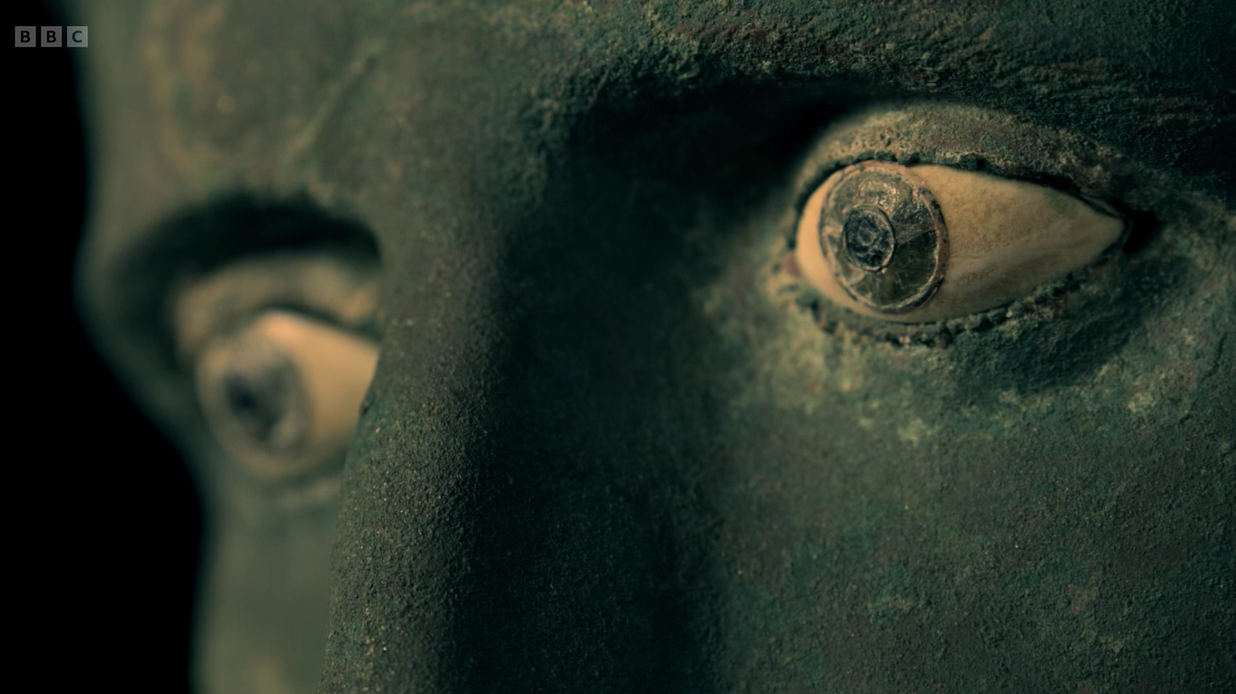
It's a shame, really. The narration by Sophie Okonedo is phenomenal—rich, measured, and carrying real gravitas—and the artefacts presented from the British Museum are nothing short of marvellous. Yet nothing can take away from the simple fact: it doesn’t hold a candle to the original.
The decline of documentary filmmaking has been long and depressing. The modern need to add noises and reconstructions turns many shows into headaches. Fades of soldiers moving in the background with stock clanging become distracting. Wheeler and Clark let their environment interest the audience. Sometimes the past can speak for itself.
The modern format of interviewing many people can work, but only when those interviewed were actually involved. In 1973, The World at War interviewed hundreds of participants and witnesses of the Second World War. The commanding, authoritative voice of the great Laurence Olivier brings the whole thing together. Netflix, for all their faults, have nailed the format for crime documentaries, with highlights such as Don’t F**k with Cats. However, this template doesn’t land in the same way, as shown by the well-made but soulless Rise of Empires: Ottoman from 2020.
In the last 20 years, some documentaries have escaped containment, and we were all better for it. Highlights such as Bettany Hughes' The Minoans and Joann Fletcher’s Immortal Egypt remind us of a better time, where a knowledgeable person with a love of their subject takes us on a journey. But these are now a rarity.
Light at the end of the tunnel?
What is to be done? It's easy to despair, but there is a quiet revolution underway. Where television has failed, YouTube has stepped up to fill the void. History documentaries are a thriving niche, growing ever larger.
Channels such as Epic History TV (with its meticulously researched animated epics on empires and battles), HistoryMarche (masterful animated reconstructions of conflicts), Drachinifel (unparalleled deep dives into naval history), and the now-concluded but brilliant Armchair Historian have filled the gap splendidly. They deliver what the old masters did: knowledgeable creators sharing their passion directly, without conveyor-belt snippets or forced agendas. All I can recommend is that you support them. Their efforts deserve your views, subscriptions, comments, and perhaps even Patreon contributions. Maybe, just maybe, television channels will start paying attention again and rediscover the wonder of a single voice amid the ruins.